智能产品设计与开发的方向,AI与IoT的融合
智能产品设计与开发方向 predominantly leverages advanced technologies, including artificial intelligence (AI) and the Internet of Things (IoT). AI-driven solutions are increasingly integrating with art devices and services, enabling personalized experiences and efficient automation. On the IoT front, the focus lies on optimizing data collection, security, and data privacy, while leveraging edge computing to reduce latency and enhance performance in applications like art home automation and industrial control systems. The integration of AI and IoT is driving innovation in areas such as art healthcare, art city infrastructure, and art agriculture. Beyond technical advancements, the development of intelligent products is also addressing global challenges, such as sustainability and privacy, to create solutions that meet contemporary needs and prepare for the upcoming digital transformation.
Today, the rapid development of technology has brought about a new trend where intelligent product design and development has become a universal direction. These intelligent products not only represent a product but also serve as a system architecture, integrating advanced technologies such as artificial intelligence,物联网, big data, and cloud computing to create efficient, intelligent, and human-centered intelligent product forms. This article will explore the core directions of this field, from technical foundations to applications, development processes, and future perspectives, providing readers with a comprehensive understanding of intelligent product design and development.
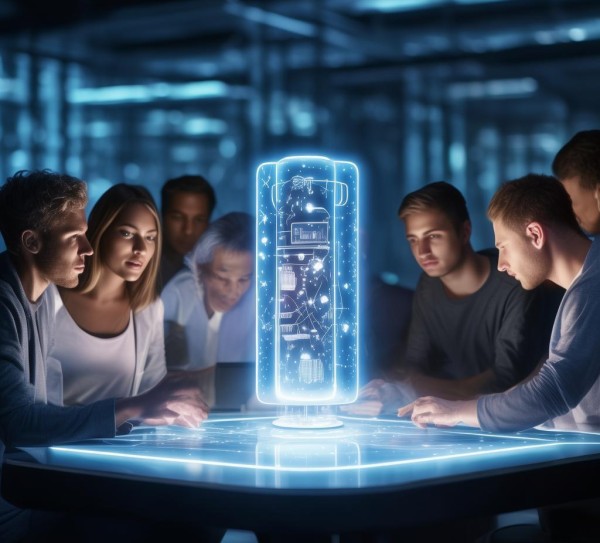
Technical Foundations: Artificial Intelligence and Internet of Things (IoT) Core Technology
-
Artificial Intelligence (AI): AI is the heart of intelligent products, offering learning, reasoning, and decision-making capabilities to power applications like voice assistants, personalized recommendations, and art home devices. For instance, art音箱 leverages speech recognition to adjust volume and play playtimes based on user preferences, showcasing AI's transformative impact on daily life.
- Internet of Things (IoT): IoT enables the integration of devices, sensors, and databases, allowing real-time data collection, tranission, and ysis.智能家居设备利用IoT系统与多个传感器相连,实时监测环境参数并实现智能化控制,有效提升了居住环境的效率和舒适度。
- Big Data and Cloud Computing: These technologies play pivotal roles in intelligent product design. Big data ysis extracts valuable insights from vast datasets, while cloud computing provides scalable, efficient services for processing big data. For example, an intelligent物流管理系统利用大数据分析商品分布情况,优化物流路线,提升物流效率。
Intelligent Product Design Development Directions
-
需求分析与 User Research: The first step in intelligent product design is to clearly define the product's functional and service needs. Through user research, interviews, and data ysis, we gain insights into users' real needs, ensuring the product aligns with their expectations. For example, a art speaker's design must consider its impact on voice usage and satisfaction.
- System Design and Architecture Planning: The system architecture is critical to the product's success. For instance, an intelligent音箱's design should be modular, allowing for easy integration of user interfaces and control systems. Each section, such as the user interface and storage area, must be designed to enhance usability and functionality.
- System Development and Testing and Optimization: The development process involves functional validation to ensure the product meets its requirements. Testing is conducted through data ysis and user feedback to optimize performance. For example, a art home system might undergo iterative testing to refine energy efficiency and reliability.
- User Interface and Visual Experience: The user interface is a cornerstone of intelligent products, requiring a clean, intuitive, and user-friendly design. This ensures a seamless user experience, fostering trust and satisfaction with the product.
Future Outlook
As technology evolves, the design and development of intelligent products will become increasingly diverse. The integration of intelligent systems will further enhance automation, personalization, and user-centered design. Applications like intelligent manufacturing systems and art healthcare systems will demonstrate the potential of these technologies. Additionally, advancements in AI, IoT, and big data will drive innovation in product design, offering increasingly complex and dynamic solutions for users.
- Autonomous Management: art systems will play a pivotal role in industrial automation, healthcare diagnostics, and environmental monitoring. For example, art factories will use AI-driven ytics to optimize production processes and reduce waste.
- Personalized Services: With the rise of big data ytics, intelligent products will offer tailored services to users. For instance, personalized recommendations in e-commerce can be enhanced by machine learning algorithms that yze user behavior and preferences.
- Person-Machine Collaboration: Human-computer interaction (HMI) technologies will become increasingly integrated into intelligent products. These systems will enable seamless communication and collaboration between humans and machines, improving overall user experience.
Summary and Outlook
Intelligent product design and development is a multifaceted endeavor driven by cutting-edge technology. The technical foundations of AI, IoT, big data, and cloud computing provide the backbone for innovation, while user-centric design ensures the product meets their needs. As the field evolves, products will become increasingly intelligent, personalized, and user-friendly, offering greater convenience and efficiency for users. By leveraging advancements in AI, IoT, and big data, we can create products that not only perform well but also enhance our daily lives in meaningful ways.